Mortgage guide
Rural property mortgages and acreage limits
Rural properties are assessed differently in buy to let lending because location, land size, and use can materially affect valuation, resale, and long-term lender security.


- Published
- 13 Apr 2026
- Last reviewed
- 11 Sep 2026
- Reading time
- 4 min
Rural property mortgages and acreage limits
Rural properties and acreage limits in buy to let mortgages
Rural properties are assessed differently in buy to let lending because location, land size, and use can materially affect valuation, resale, and long-term lender security. While buy to let mortgages are available on rural properties, lender appetite is narrower and acreage limits play a central role in eligibility. The property itself may be acceptable, but the amount and type of land attached can change how the case is underwritten.
What lenders mean by a rural property
Rural property mortgages are secured against property typically located outside major towns or cities, often in villages, hamlets, or isolated settings. These properties may have limited comparable sales, restricted tenant demand, and greater reliance on local market conditions. From a buy to let perspective, lenders focus less on lifestyle appeal and more on whether the property can be easily re-let and resold.
Why acreage matters to mortgage lenders
Acreage directly affects how a property is classified for lending purposes. Standard buy to let mortgages are designed for residential dwellings, not land-based or agricultural assets. As land size increases, lenders become concerned that value is being driven by acreage rather than the rental dwelling itself, which introduces complexity around valuation, maintenance, and exit strategy.
Large plots can also raise questions around land use, development potential, grazing rights, or agricultural ties, all of which increase legal and valuation risk. For this reason, lenders apply acreage limits to determine whether a property remains suitable for standard buy to let lending.
Buy-to-let calculator
Typical acreage limits for buy to let mortgages
Most buy to let lenders apply a maximum acreage threshold, beyond which the property may no longer qualify for standard lending. While limits vary, lenders generally expect the land to be ancillary to the dwelling rather than a primary value driver. Once acreage exceeds internal limits, the case may be declined or re-routed to specialist or semi-commercial lending models.
The focus is not only on size, but also on how the land is used. Gardens, paddocks, and amenity land are viewed differently from farmland or land with commercial or agricultural use.
How valuation is affected by rural location and land
Valuers play a critical role in rural buy to let cases. Lenders rely on confirmation that the rental value and capital value are driven by the residential dwelling, not by excess land. Where land contributes disproportionately to value, lenders may discount it for mortgage purposes or treat the property as outside standard buy to let criteria.
Limited comparable evidence in rural areas can also reduce valuation confidence, particularly for unusual properties or those with extensive grounds.
Common rural property features that concern lenders
Certain features frequently trigger additional scrutiny in rural buy to let mortgages, including:
- Large acreage beyond typical garden use
- Agricultural ties or occupancy restrictions
- Outbuildings with potential commercial use
- Private water, drainage, or access arrangements
- Isolated locations with limited rental demand
Each of these can affect both ongoing letting viability and resale liquidity.
Buy to let considerations for rural properties
Buy to let lenders assess rural properties with a stronger focus on tenant demand and exit strategy. Properties that rely on niche tenant markets, seasonal demand, or lifestyle appeal can be harder to underwrite. Even where rental income is adequate, lenders may be cautious if resale is likely to be slow or restricted to a limited buyer pool.
In many cases, rural buy to let mortgages are possible, but only where the property remains clearly residential in nature and acreage is modest and ancillary.
When specialist lending may be required
Where acreage exceeds standard limits, or where land use is more complex, the mortgage may fall outside standard buy to let criteria. In these cases, lenders may assess the property under specialist, semi-commercial, or mixed-use frameworks rather than traditional buy to let lending. This reflects the increased complexity of valuing and securing land-heavy assets.
Key takeaway on rural properties and acreage limits
Rural properties are not automatically excluded from buy to let mortgages, but acreage limits are a decisive factor. Lenders focus on whether the property functions primarily as a lettable dwelling with ancillary land, or whether land size and use materially increase risk. Understanding how acreage affects classification, valuation, and exit strategy is essential to assessing mortgage eligibility for rural buy to let properties.
Related case studies
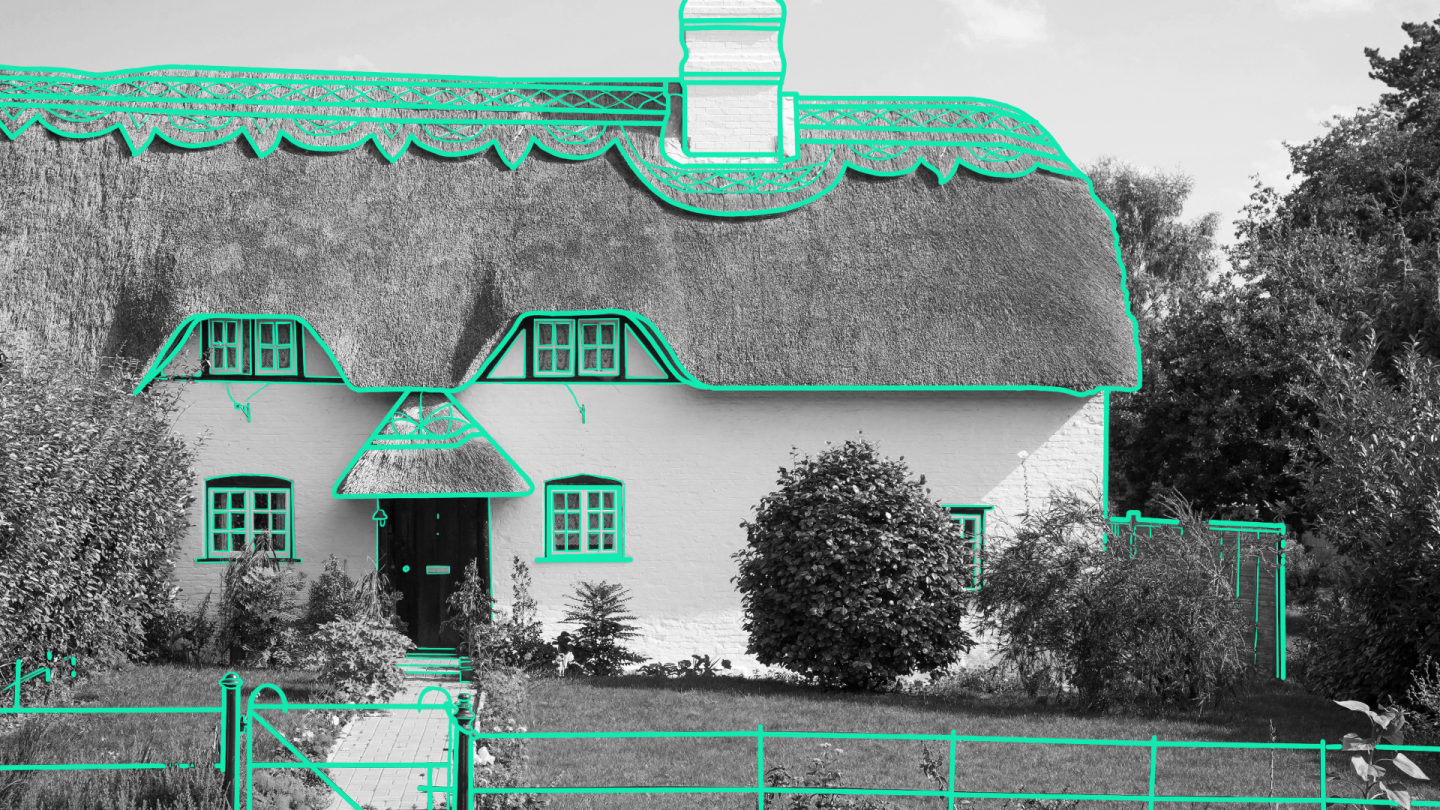
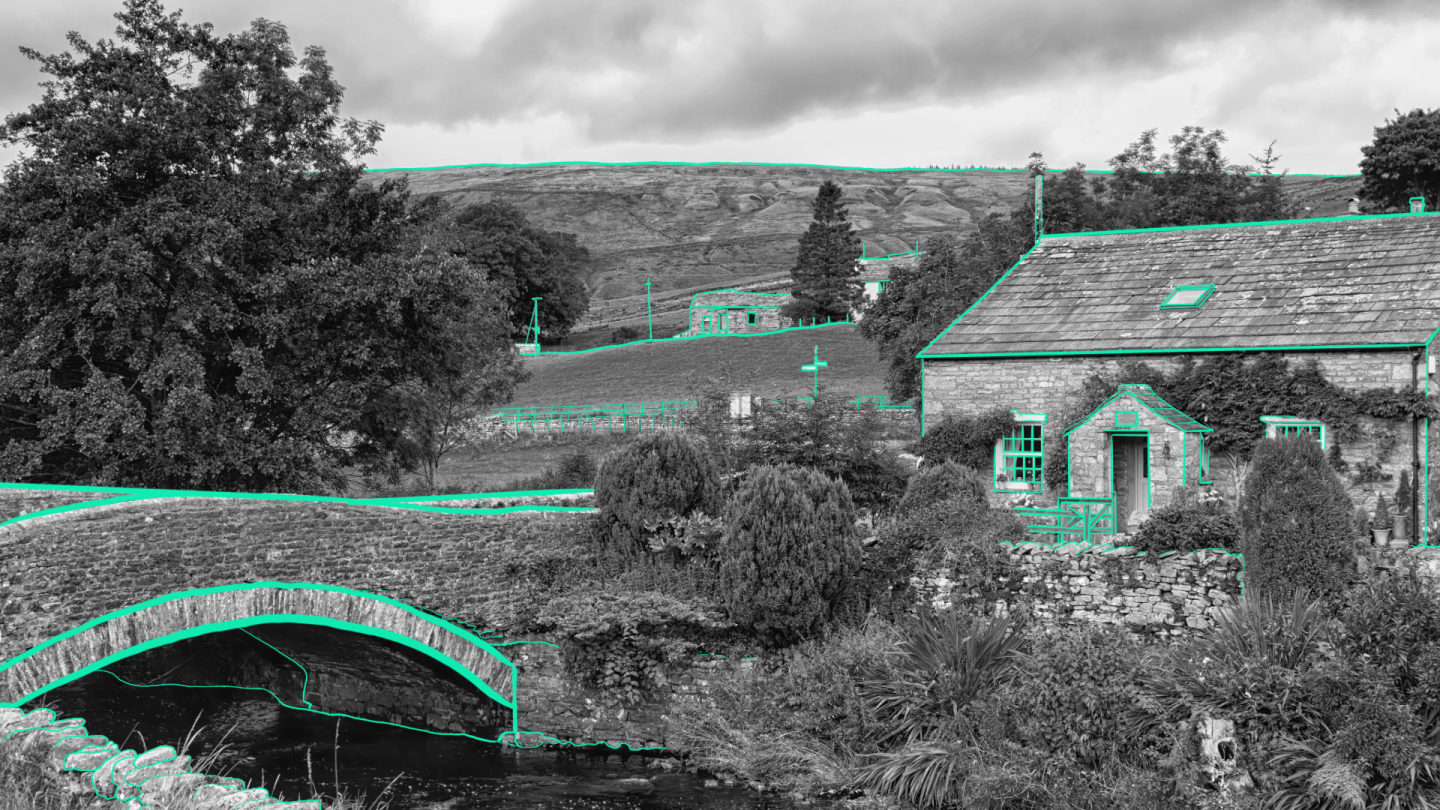
 Read more about Holiday Let Title Split
Holiday Let Title Split
Discover how we helped split the title of a holiday let to maximise investment returns. Read the full mortgage case study and our tailored approach.


Frequently asked questions
Can I live in my own buy-to-let property?
No, you cannot live in a property funded by a standard buy-to-let mortgage. Buy-to-let mortgages are for rental properties only, and living in the property would breach the mortgage terms. If you intend to live there, the mortgage must be residential or regulated.
Can I get a buy to let mortgage on a prime property?
Buy to let mortgages are available on prime properties, assessed on rent under the Prudential Regulation Authority's (PRA) stress tests, though prime rental yields are often low, making the rental test harder to meet.
Can I let a property on a bridging loan?
Some bridging lenders allow a property to be let during the term, others do not; letting is usually part of preparing for a buy to let refinance. The bridge agreement sets out what is permitted.
Can I let an inherited property with a mortgage?
Yes, you can let an inherited property with a consumer buy to let mortgage, to raise money against it or refinance a loan already on it, assessed mainly on the rent. Because you did not buy the property to let, the law does not automatically treat you as a business borrower, and if you own no other let property the loan can be consumer buy to let. If you already let another property, or you plan to build a letting business, the mortgage is business buy to let instead. The property normally has to be transferred into your name before you can mortgage it; until then, borrowing against it is a matter for the executors.
Can you use a bridging loan to buy a property?
Yes, a bridging loan can be used to buy a property. It is a short-term, property-backed loan designed for fast purchases where a mortgage is unavailable or too slow, such as auctions, chain breaks, or un-mortgageable properties, with repayment typically from a sale or refinance.
Talk it through with an adviser
Speak to a Mortgage Lane adviser about your circumstances and the next steps.
Let’s talk property finance
Contact us
Tell us about your plans and a Mortgage Lane adviser will get in touch.
- Call our team
- +44 333 231 8206
- Email us
- enquiries@mortgagelane.com
- +44 7487 829005
- Opening hours
- Monday to Saturday, 8.30am–5.30pm
Closed Sunday
Your enquiry goes to our team, who will get in touch to discuss your next steps.