Mortgage guide
How do I know what property restrictions come with a smallholding?
It’s important to check with a qualified solicitor who specialises in property law. They can provide detailed advice on any legal restrictions or covenants attached to the property.


- Published
- 30 Mar 2026
- Last reviewed
- 11 Sep 2026
- Reading time
- 2 min
How do I know what property restrictions come with a smallholding?
It’s important to check with a qualified solicitor who specialises in property law. They can provide detailed advice on any legal restrictions or covenants attached to the property.
Your solicitor will review the title deeds to identify any specific restrictions, such as agricultural ties, which might require the owner to derive income primarily from farming activities.
Local planning authorities impose regulations on land use. Your solicitor can help determine if the property has any planning permissions that limit the type of activities that can be conducted on the land.
Some smallholdings have occupancy conditions that require the occupant to be involved in agriculture. Your solicitor can check if such conditions apply and what implications they might have.
Ensure there are no easements or rights of way that could affect your use of the property. These are legal rights allowing others to use part of your land for a specific purpose.
Certain smallholdings may be subject to environmental regulations or conservation designations that restrict how the land can be used or developed. Your solicitor can provide clarity on these aspects.
Investigate the property’s history to understand previous uses that might affect current or future use. This includes checking for any outstanding planning enforcement notices or unresolved boundary disputes.
By thoroughly checking these elements with the help of a solicitor, you can avoid potential pitfalls and ensure that your smallholding meets your needs and complies with all legal requirements. At Mortgage Lane, our team of specialist mortgage brokers is also available to guide you through the financing process for properties with specific restrictions.
Mortgage repayment calculator
Rural mortgage criteria
These wider product criteria provide context for this guide. The lender will assess your individual case.
| Criteria | Detail |
|---|---|
| Repayment types | Interest only, capital repayment |
| Use class | Residential and Commercial |
| Product options | Base rate tracker, variable, 2, 3, 5 year fixed |
| Offset mortgages | Yes |
| Max residential LTV | 95% Loan to Value |
| Max commercial LTV | 75% Loan to Value |
| Charge types | 1st, 2nd |
| Max Term | Up to 40 years |
| Product fees if payable | Paid up front or added to the loan |
| Locations | Available in England, Scotland, Wales and Northern Ireland |
Related case studies
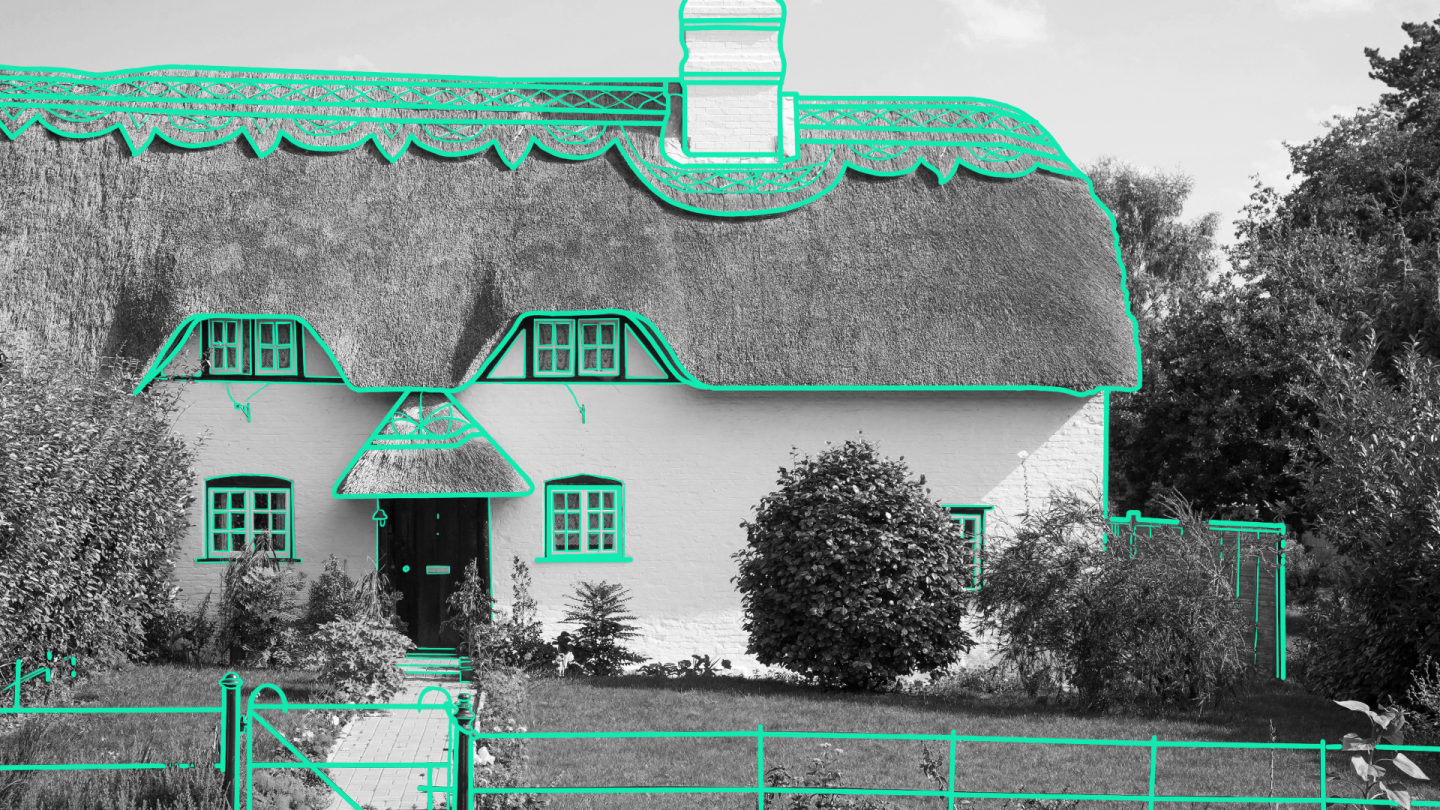
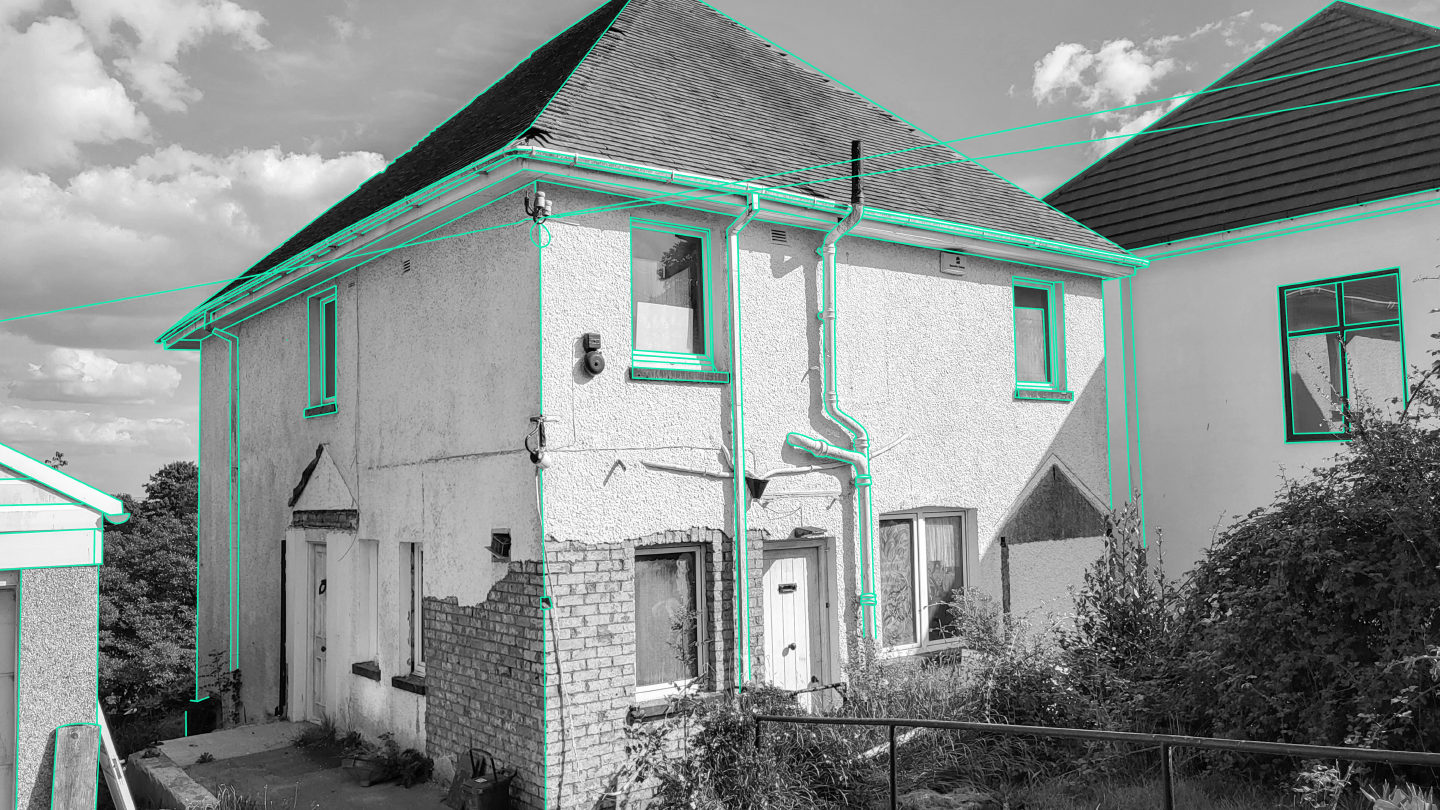
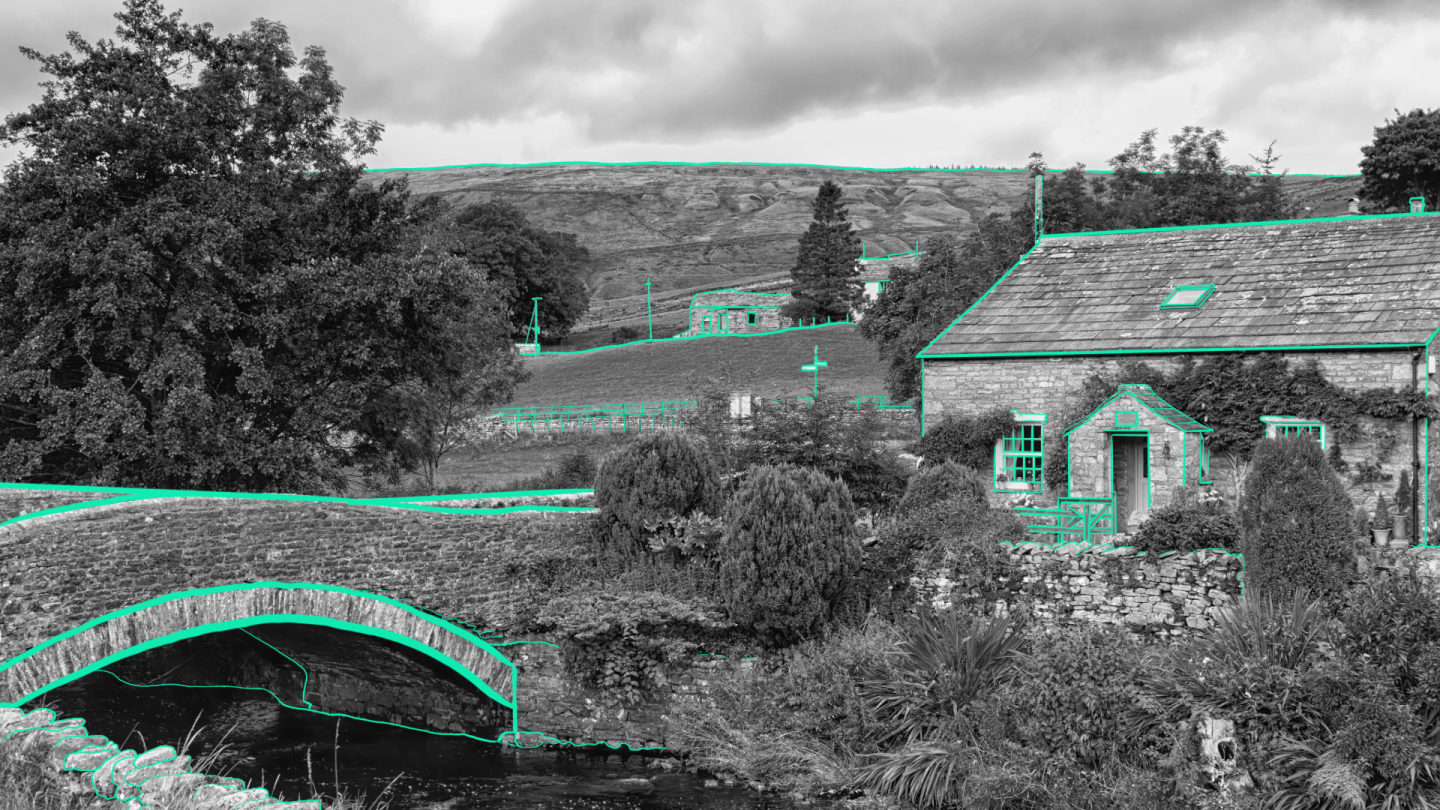
 Read more about Holiday Let Title Split
Holiday Let Title Split
Discover how we helped split the title of a holiday let to maximise investment returns. Read the full mortgage case study and our tailored approach.


Frequently asked questions
Are there acreage restrictions on smallholding mortgages?
Yes. Each residential lender sets its own acreage limit, and above it a commercial or rural mortgage is needed. In our experience, many mainstream residential lenders stop at around 10 acres, while a smaller group go further, on their own pricing. A larger acreage can also prompt scrutiny of potential future uses and add maintenance costs to the affordability assessment.
How do I find out what restrictions a smallholding has?
Instruct a solicitor who specialises in property law. Before you commit, they check the title deeds for ties and covenants, planning permissions and enforcement notices, occupancy conditions, easements and rights of way, and any environmental or conservation designations.
What is a smallholding mortgage?
A smallholding mortgage funds the purchase or refinance of a rural property with land, used for residential living, small-scale agriculture, or both. Whether the product is residential or commercial follows the property's use, acreage and any occupancy restrictions.
What loan-to-value can I get on a smallholding?
Residential smallholding mortgages follow the lender's residential loan-to-value bands, which on standard residential lending reach up to 95%. Where a case lands depends on the acreage, any restrictions, credit and income. Properties with agricultural ties and commercial smallholdings are lent at limits each lender sets for the case, so an adviser checks current criteria for the property.
What is a bankruptcy restrictions order?
A bankruptcy restrictions order (BRO) extends the restrictions of bankruptcy for between 2 and 15 years where the official receiver considers the bankrupt was dishonest or to blame for their debts, for example by giving away assets or borrowing money they knew they could not repay (GOV.UK: bankruptcy restrictions orders and undertakings). A bankruptcy restrictions undertaking (BRU) has the same effect without a court hearing. While one is in force, you must not borrow more than £500 without saying you are subject to restrictions, or act as a company director without the court's permission, and it is listed on the Individual Insolvency Register. A lender is likely to treat a current one as serious adverse credit until it ends.
Talk it through with an adviser
Speak to a Mortgage Lane adviser about your circumstances and the next steps.
Let’s talk property finance
Contact us
Tell us about your plans and a Mortgage Lane adviser will get in touch.
- Call our team
- +44 333 231 8206
- Email us
- enquiries@mortgagelane.com
- +44 7487 829005
- Opening hours
- Monday to Saturday, 8.30am–5.30pm
Closed Sunday
Your enquiry goes to our team, who will get in touch to discuss your next steps.